Why You’ll Love This Homemade Pita Bread Recipe
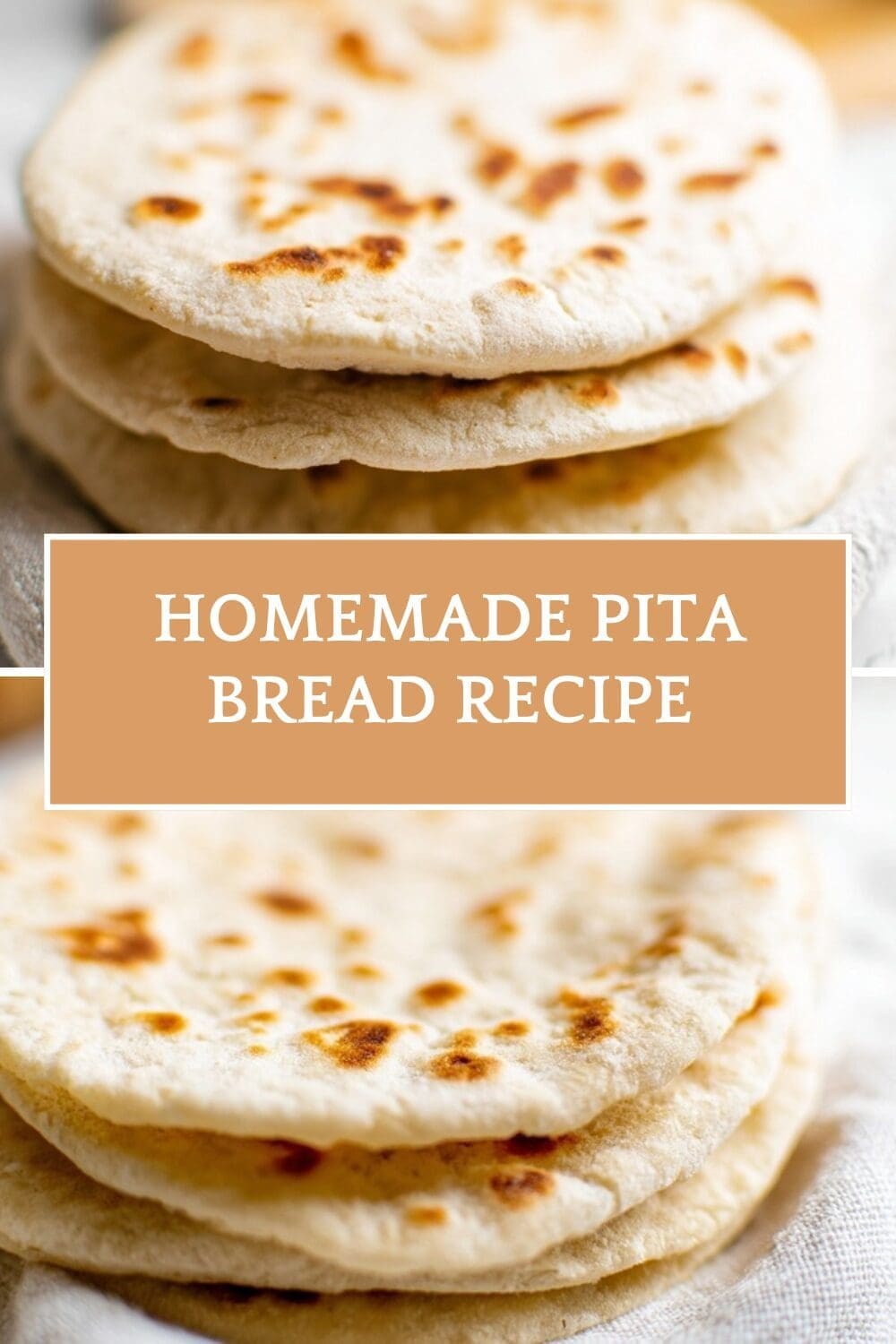
There’s something truly magical about pulling warm, puffy pita bread straight from the oven. This homemade pita bread recipe brings the authentic taste of Mediterranean bakeries right into your kitchen, and the best part? It’s surprisingly simple to make. Whether you’re a seasoned baker or just starting your bread-making journey, this recipe delivers soft, pocket-perfect pitas every single time.
- Ease of preparation: Unlike many bread recipes that require hours of attention and specialized equipment, this homemade pita bread comes together with basic pantry staples and about 15 minutes of hands-on kneading. No stand mixer needed your hands work perfectly! The total time is approximately 1 hour 48 minutes, but most of that is passive rising time, leaving you free to handle other tasks.
- Health benefits: Making your own pita bread means you control exactly what goes into it. No preservatives, no mysterious additives, just wholesome ingredients like extra virgin olive oil and quality flour. You can feel good about serving this to your family, knowing exactly what they’re eating. For more on the benefits of olive oil, check out this comprehensive guide to olive oil’s health benefits.
- Versatility: This recipe adapts beautifully to your dietary preferences. Want whole wheat pitas? Simply swap half the all-purpose flour for whole wheat flour. Need gluten-free options? Use a quality gluten-free flour blend. You can even prepare the dough ahead and store it in the refrigerator for up to a week, baking fresh pitas whenever the craving strikes.
- Distinctive flavor: Fresh, warm pita tastes infinitely better than anything you’ll find wrapped in plastic at the grocery store. The combination of yeast-fermented dough and high-heat baking creates a slightly nutty, subtly sweet flavor with a soft, pillowy texture that’s perfect for scooping up hearty soups or stuffing with your favorite fillings.
Jump to:
- Why You’ll Love This Homemade Pita Bread Recipe
- Essential Ingredients for Homemade Pita Bread Recipe
- Main Ingredients
- Special Dietary Options
- How to Prepare the Perfect Homemade Pita Bread Recipe: Step-by-Step Guide
- Step 1: Make the Sponge
- Step 2: Form the Pita Dough
- Step 3: Knead the Dough
- Step 4: Let the Dough Rise
- Step 5: Divide the Dough
- Step 6: Shape the Pitas
- Step 7: Bake Your Pitas
- Dietary Substitutions to Customize Your Homemade Pita Bread Recipe
- Flour Alternatives and Modifications
- Flavor Variations and Seasoning Ideas
- Mastering Homemade Pita Bread Recipe: Advanced Tips and Variations
- Pro Cooking Techniques
- Creative Variations to Try
- Make-Ahead and Meal Prep Strategies
- How to Store Homemade Pita Bread Recipe: Best Practices
- Short-Term Storage
- Freezing for Long-Term Storage
- Reheating for Best Results
- FAQs: Frequently Asked Questions About Homemade Pita Bread Recipe
- Do I need a stand mixer to make homemade pita bread?
- Can I make pita bread dough ahead of time?
- Can I make gluten-free pita bread with this recipe?
- Why won’t my homemade pita bread puff up?
- How do I store and freeze homemade pita bread?
- Homemade Pita Bread Recipe
- Ingredients
- Instructions
- Last Step:
- Notes
- Nutrition
- Did you make this recipe?
Essential Ingredients for Homemade Pita Bread Recipe
Gathering the right ingredients is the first step toward pita perfection. Each component plays a crucial role in creating that signature pocket and soft texture. Here’s everything you’ll need:
Main Ingredients
- 1 cup lukewarm water – The foundation of your dough; lukewarm water (about 100-110°F) activates the yeast without killing it, creating the ideal environment for fermentation and rise.
- 2 teaspoons active dry yeast – The leavening agent that makes your pita bread puff and rise. Fresh yeast is essential for good puffing action, so check the expiration date before starting.
- 1/2 teaspoon sugar – Feeds the yeast and helps it activate quickly. A small amount aids browning during baking without making the bread sweet.
- 3 cups all-purpose flour, divided – The main structure of your bread. You’ll use some for the initial sponge and the rest for forming the dough. Alternatively, use 1 1/2 cups all-purpose flour and 1 1/2 cups whole wheat flour for a heartier, nuttier flavor.
- 1 to 2 teaspoons kosher salt – Essential for flavor development and controlling yeast activity. Salt strengthens gluten structure and brings out the wheat’s natural flavors.
- 2 tablespoons extra virgin olive oil, plus more for coating the bowl – Adds richness, keeps the bread tender, and helps create that beautiful golden exterior. The oil also prevents the dough from sticking during rising.
Special Dietary Options
| Dietary Need | Substitution |
|---|---|
| Vegan | This recipe is naturally vegan! All ingredients listed are plant-based. |
| Gluten-free | Replace all-purpose flour with a 1:1 gluten-free flour blend containing xanthan gum. |
| Whole grain | Substitute up to half the all-purpose flour with whole wheat flour. |
| Lower sodium | Reduce kosher salt to 1 teaspoon. |
Pro tip: For the best results, measure your flour by spooning it into the measuring cup and leveling off the top with a knife. This prevents packing too much flour into your dough, which can make the pitas dense.
How to Prepare the Perfect Homemade Pita Bread Recipe: Step-by-Step Guide
Ready to create bakery-quality pita bread at home? Follow these detailed steps, and you’ll have soft, pocket-ready flatbreads coming out of your oven in no time. The process is straightforward, but each step matters for achieving that perfect puff.
Step 1: Make the Sponge
Start by activating your yeast to ensure it’s alive and ready to work. In a large mixing bowl, combine the 1 cup lukewarm water, 2 teaspoons active dry yeast, and 1/2 teaspoon sugar. Stir gently until the yeast and sugar dissolve completely. Add 1/2 cup of your flour and whisk until smooth this mixture is called a “sponge” and gives the yeast a head start.
Place the bowl uncovered in a warm spot in your kitchen. A sunny windowsill or near a warm oven works beautifully. Let it sit for about 15 minutes until the mixture becomes frothy and bubbly on top. This frothiness tells you the yeast is active and ready to leaven your bread.
Step 2: Form the Pita Dough
Once your sponge is bubbly and fragrant, it’s time to build the dough. Add 1 to 2 teaspoons kosher salt and 2 tablespoons extra virgin olive oil to the bowl. Then gradually add almost all of the remaining flour, holding back about 1/2 cup for dusting and adjusting the dough consistency.
Stir with a wooden spoon or sturdy spatula until a shaggy, messy mass forms. Don’t worry about it looking pretty at this stage that comes next! Dust your hands with some of the reserved flour and knead the dough right inside the bowl for about a minute to bring everything together.
Step 3: Knead the Dough
Lightly dust a clean countertop or large cutting board with flour. Turn the dough out onto the surface and begin kneading. Push the dough away from you with the heel of your hand, fold it back over itself, give it a quarter turn, and repeat.
Knead steadily for about 2 minutes until the dough becomes smoother and more cohesive. Cover the dough with a clean kitchen towel and let it rest for 10 minutes. This rest period relaxes the gluten and makes the next round of kneading easier.
After resting, knead the dough for another couple of minutes. The finished dough should feel smooth, elastic, and moist but not sticky. If it sticks to your hands, add flour one tablespoon at a time. If it feels dry and stiff, sprinkle in a little water. Proper dough consistency is crucial for pitas that puff.
Step 4: Let the Dough Rise
Find a clean mixing bowl and lightly coat the inside with olive oil. Place your kneaded dough inside and turn it over once or twice to coat all surfaces with oil. This prevents a dry skin from forming on the dough as it rises.
Cover the bowl tightly with plastic wrap, then place a clean kitchen towel on top for extra insulation. Find a warm, draft-free spot in your kitchen near a warm stove or in a slightly warmed oven (turn it off first!) works wonderfully. Let the dough rise for about 1 hour or until doubled in size.
Timing tip: Rising time varies based on temperature. In a warm kitchen (75-80°F), expect about 1 hour. In cooler kitchens, it may take up to 90 minutes. The dough should look noticeably puffy and doubled.
Step 5: Divide the Dough
Once your dough has puffed up beautifully, gently deflate it by pressing your fist into the center. Turn it out onto a clean, lightly floured surface. Using a bench scraper or sharp knife, divide the dough into 7 to 8 equal pieces.
Shape each piece into a smooth ball by tucking the edges underneath and rolling gently between your cupped palms. Cover the balls with a clean towel and let them rest for 10 minutes. This short rest relaxes the gluten so the pitas will roll out easily without springing back.
Step 6: Shape the Pitas
Now comes the fun part shaping your pita rounds! Work with one ball at a time, keeping the others covered so they don’t dry out. On a lightly floured surface, use a floured rolling pin to roll each ball into an 8-9 inch circle about 1/4 inch thick.
Here’s the key technique: lift and turn the dough frequently as you roll. This prevents sticking and ensures even thickness throughout. If the dough springs back and won’t hold its shape, cover it and let it rest for another 5 minutes before continuing.
Stack your rolled pitas on a lightly floured surface, separating them with parchment paper or a light dusting of flour to prevent sticking.
Step 7: Bake Your Pitas
You have two excellent cooking methods to choose from oven baking or stovetop cooking. Both produce delicious results, so pick the one that suits your setup and schedule.
Oven Method:
Preheat your oven to 475°F with a heavy baking pan or cast iron skillet inside. Heating the pan while the oven preheats creates the intense bottom heat needed for puffing. Once hot, carefully place 2-3 pitas on the preheated pan and bake for 2 minutes on the first side, then flip and bake for 1 more minute. The pitas should puff up dramatically and develop light golden spots.
Transfer baked pitas to a plate and immediately cover with a clean kitchen towel. This traps steam and keeps them soft and pliable.
Stovetop Method:
Heat a cast iron skillet over medium-high heat until a drop of water sizzles immediately. Lightly oil the surface and wipe away excess with a paper towel. Cook pitas one at a time: place a pita in the pan and cook for about 30 seconds until bubbles begin forming. Flip and cook for 1-2 minutes until the bottom develops toasted spots. Flip once more and cook 1-2 minutes more the pita should puff up like a balloon when it’s ready.
Cover each cooked pita with a clean towel while you finish the rest. If a pita doesn’t fully puff, press down gently with a clean towel while it finishes cooking.

Dietary Substitutions to Customize Your Homemade Pita Bread Recipe
One of the beauties of this homemade pita bread recipe is its adaptability. Whether you’re accommodating dietary restrictions or simply wanting to experiment with different flavors, there are plenty of ways to make this recipe your own.
Flour Alternatives and Modifications
The type of flour you use significantly affects both the flavor and texture of your pitas. Here are some tried-and-true options:
- Whole wheat flour: Substitute up to half the all-purpose flour with whole wheat for a nuttier, heartier bread with more fiber. Note that whole wheat absorbs more liquid, so you may need to add an extra tablespoon of water.
- Bread flour: Using bread flour instead of all-purpose creates stronger gluten development, which can improve the puffing action. The texture will be slightly chewier.
- Gluten-free flour blend: For those avoiding gluten, a quality 1:1 gluten-free flour blend works well. Look for one containing xanthan gum, or add 1-2 teaspoons of psyllium husk powder to help with elasticity and pocket formation.
- Spelt flour: This ancient grain has a slightly sweet, nutty flavor and can be substituted 1:1 for all-purpose flour, though the dough may require slightly less water.
Flavor Variations and Seasoning Ideas
Once you’ve mastered the basic recipe, try adding complementary flavors to customize your pitas:
- Herbed pitas: Add 1-2 tablespoons of dried herbs like oregano, thyme, or za’atar to the dry ingredients before mixing. Fresh herbs like rosemary or thyme work beautifully too just mince them finely.
- Garlic pitas: Mix 1 teaspoon of garlic powder into the flour, or brush baked pitas with garlic-infused olive oil for a fragrant finish.
- Sesame or nigella seeds: Brush rolled pitas with water and press into a plate of sesame seeds or nigella seeds before baking for authentic Mediterranean flavor and attractive appearance.
- Everything bagel seasoning: Sprinkle this popular blend over pitas before baking for a savory, onion-garlic flavor profile.
These flavored pitas pair wonderfully with everything from classic antipasto spreads to simple hummus and vegetables.
Mastering Homemade Pita Bread Recipe: Advanced Tips and Variations
Ready to take your pita-making skills to the next level? These expert tips and creative variations will help you achieve consistently perfect results and expand your flatbread repertoire.
Pro Cooking Techniques
The secret to pitas that puff every time lies in understanding the science behind the pocket. When flattened dough hits intense heat, the moisture inside rapidly converts to steam. The strong gluten network traps this steam, causing the bread to balloon up and separate into two layers. Here’s how to ensure success:
- Preheat thoroughly: Whether using the oven or stovetop, give your pan or skillet at least 20-30 minutes to reach maximum temperature. Inadequate heat is the number one reason pitas fail to puff.
- Roll evenly: Uneven thickness leads to uneven puffing. Aim for a consistent 1/4 inch throughout. Thinner edges will burn before the center cooks.
- Work quickly: Once you start baking, keep the pace steady. Letting shaped pitas sit too long before baking can cause them to dry out and lose their puffing power.
- Don’t open the oven: Resist the urge to peek! Opening the oven door releases heat and can prevent proper puffing. Trust the timing.
Creative Variations to Try
Once you’ve mastered classic pitas, branch out with these delicious variations:
| Variation | How to Make It |
|---|---|
| Mini pitas | Divide dough into 12-14 pieces instead of 7-8. Roll to 5-6 inches. Perfect for sliders or appetizers. |
| Pita chips | Cut leftover pitas into triangles, brush with olive oil, sprinkle with salt and seasonings, bake at 375°F until crisp. |
| Pizza pitas | Top baked pitas with sauce, cheese, and toppings, then broil until melty for quick personal pizzas. |
| Sweet pitas | Omit salt, add 1 tablespoon honey to the dough. Serve with Nutella or fruit preserves. |
Make-Ahead and Meal Prep Strategies
This recipe is wonderfully friendly to busy schedules. The dough improves with time in the refrigerator as slow fermentation develops deeper flavor. Prepare a batch on Sunday, and you can enjoy fresh pitas throughout the week.
After the first rise, punch down the dough and place it in an oiled container with a tight lid. Refrigerate for up to one week. When ready to bake, remove the amount you need, let it come to room temperature for about 30 minutes, then proceed with shaping and baking.
For more detailed information about flour and its nutritional benefits in bread-making, you might find this flour nutrition guide helpful for understanding how your ingredients contribute to a balanced diet.
How to Store Homemade Pita Bread Recipe: Best Practices
Proper storage keeps your homemade pitas soft and fresh for days or even months if you freeze them. Here’s everything you need to know about storing your freshly baked flatbreads.
Short-Term Storage
For pitas you’ll enjoy within a few days, room temperature storage works best. Allow baked pitas to cool completely, then place them in an airtight plastic bag or container. Press out as much air as possible before sealing. Stored this way, pitas stay fresh for 2-3 days at room temperature.
Keep them away from direct sunlight and heat sources. A bread box or pantry shelf works perfectly. If the pitas feel slightly dry after a day or two, a quick warm-up restores their softness.
Freezing for Long-Term Storage
Homemade pita bread freezes beautifully, making it perfect for batch cooking. Here’s the best method:
- Allow baked pitas to cool completely to room temperature.
- Stack the pitas with sheets of wax paper or parchment paper between each one this prevents them from freezing together into a solid block.
- Place the stack in a large freezer bag, pressing out excess air before sealing.
- Label with the date and freeze for up to 3 months.
Reheating for Best Results
Frozen pitas don’t need to thaw before reheating. Simply place a frozen pita directly on a medium-hot oven rack (about 375°F) for 5-7 minutes. For a more charred, authentic flavor, hold a thawed pita with tongs and warm it directly over a gas flame for 10-15 seconds per side.
For microwave reheating, wrap the pita in a damp paper towel and heat for 15-20 seconds. Note that microwaving can make bread slightly chewy, so oven or stovetop methods are preferred.
To revive day-old refrigerated pitas, sprinkle them lightly with water and warm in a 350°F oven for about 5 minutes. They’ll emerge soft and pliable, as good as fresh-baked.
FAQs: Frequently Asked Questions About Homemade Pita Bread Recipe
Do I need a stand mixer to make homemade pita bread?
Can I make pita bread dough ahead of time?
Can I make gluten-free pita bread with this recipe?
Why won’t my homemade pita bread puff up?
How do I store and freeze homemade pita bread?

Homemade Pita Bread Recipe
🥙 Fresh homemade pita bread puffs into perfect pockets – soft, chewy, and infinitely better than store-bought for all your dips and wraps!
🔥 Simple yeast dough bakes in minutes, versatile Mediterranean staple ready under 2 hours for gyros, falafel, or salads.
- Total Time: 1 hour 45 minutes
- Yield: 8 pitas
Ingredients
– 1 cup lukewarm water
– 2 teaspoons active dry yeast
– 1/2 teaspoon sugar
– 3 cups all-purpose flour, divided
– 1 to 2 teaspoons kosher salt
– 2 tablespoons extra virgin olive oil, plus more for coating the bowl
Instructions
1-Step 1: Make the Sponge Start by activating your yeast to ensure it’s alive and ready to work. In a large mixing bowl, combine the 1 cup lukewarm water, 2 teaspoons active dry yeast, and 1/2 teaspoon sugar. Stir gently until the yeast and sugar dissolve completely. Add 1/2 cup of your flour and whisk until smooth this mixture is called a “sponge” and gives the yeast a head start. Place the bowl uncovered in a warm spot in your kitchen. A sunny windowsill or near a warm oven works beautifully. Let it sit for about 15 minutes until the mixture becomes frothy and bubbly on top. This frothiness tells you the yeast is active and ready to leaven your bread.
2-Step 2: Form the Pita Dough Once your sponge is bubbly and fragrant, it’s time to build the dough. Add 1 to 2 teaspoons kosher salt and 2 tablespoons extra virgin olive oil to the bowl. Then gradually add almost all of the remaining flour, holding back about 1/2 cup for dusting and adjusting the dough consistency. Stir with a wooden spoon or sturdy spatula until a shaggy, messy mass forms. Don’t worry about it looking pretty at this stage that comes next! Dust your hands with some of the reserved flour and knead the dough right inside the bowl for about a minute to bring everything together.
3-Step 3: Knead the Dough Lightly dust a clean countertop or large cutting board with flour. Turn the dough out onto the surface and begin kneading. Push the dough away from you with the heel of your hand, fold it back over itself, give it a quarter turn, and repeat. Knead steadily for about 2 minutes until the dough becomes smoother and more cohesive. Cover the dough with a clean kitchen towel and let it rest for 10 minutes. This rest period relaxes the gluten and makes the next round of kneading easier. After resting, knead the dough for another couple of minutes. The finished dough should feel smooth, elastic, and moist but not sticky. If it sticks to your hands, add flour one tablespoon at a time. If it feels dry and stiff, sprinkle in a little water. Proper dough consistency is crucial for pitas that puff.
4-Step 4: Let the Dough Rise Find a clean mixing bowl and lightly coat the inside with olive oil. Place your kneaded dough inside and turn it over once or twice to coat all surfaces with oil. This prevents a dry skin from forming on the dough as it rises. Cover the bowl tightly with plastic wrap, then place a clean kitchen towel on top for extra insulation. Find a warm, draft-free spot in your kitchen near a warm stove or in a slightly warmed oven (turn it off first!) works wonderfully. Let the dough rise for about 1 hour or until doubled in size.
5-Step 5: Divide the Dough Once your dough has puffed up beautifully, gently deflate it by pressing your fist into the center. Turn it out onto a clean, lightly floured surface. Using a bench scraper or sharp knife, divide the dough into 7 to 8 equal pieces. Shape each piece into a smooth ball by tucking the edges underneath and rolling gently between your cupped palms. Cover the balls with a clean towel and let them rest for 10 minutes. This short rest relaxes the gluten so the pitas will roll out easily without springing back.
6-Step 6: Shape the Pitas Now comes the fun part shaping your pita rounds! Work with one ball at a time, keeping the others covered so they don’t dry out. On a lightly floured surface, use a floured rolling pin to roll each ball into an 8-9 inch circle about 1/4 inch thick. Here’s the key technique: lift and turn the dough frequently as you roll. This prevents sticking and ensures even thickness throughout. If the dough springs back and won’t hold its shape, cover it and let it rest for another 5 minutes before continuing. Stack your rolled pitas on a lightly floured surface, separating them with parchment paper or a light dusting of flour to prevent sticking.
7-Step 7: Bake Your Pitas You have two excellent cooking methods to choose from oven baking or stovetop cooking. Both produce delicious results, so pick the one that suits your setup and schedule. Oven Method: Preheat your oven to 475°F with a heavy baking pan or cast iron skillet inside. Heating the pan while the oven preheats creates the intense bottom heat needed for puffing. Once hot, carefully place 2-3 pitas on the preheated pan and bake for 2 minutes on the first side, then flip and bake for 1 more minute. The pitas should puff up dramatically and develop light golden spots. Transfer baked pitas to a plate and immediately cover with a clean kitchen towel. This traps steam and keeps them soft and pliable. Stovetop Method: Heat a cast iron skillet over medium-high heat until a drop of water sizzles immediately. Lightly oil the surface and wipe away excess with a paper towel. Cook pitas one at a time: place a pita in the pan and cook for about 30 seconds until bubbles begin forming. Flip and cook for 1-2 minutes until the bottom develops toasted spots. Flip once more and cook 1-2 minutes more the pita should puff up like a balloon when it’s ready. Cover each cooked pita with a clean towel while you finish the rest. If a pita doesn’t fully puff, press down gently with a clean towel while it finishes cooking.
Last Step:
Please leave a rating and comment letting us know how you liked this recipe! This helps our business to thrive and continue providing free, high-quality recipes for you.Notes
🌡️ Get oven or skillet screaming hot for epic puffing pockets.
🙌 Knead minimally for soft, airy texture – overdo it and it toughens.
❄️ Freeze baked pitas up to 3 months; thaw and reheat for fresh taste.
- Prep Time: 30 minutes
- Rising: 1 hour 10 minutes
- Cook Time: 3 minutes
- Category: Bread
- Method: Bake
- Cuisine: Mediterranean
- Diet: Vegetarian
Nutrition
- Serving Size: 1 pita
- Calories: 220 kcal
- Sugar: 1g
- Sodium: 300mg
- Fat: 5g
- Saturated Fat: 1g
- Unsaturated Fat: 4g
- Trans Fat: 0g
- Carbohydrates: 38g
- Fiber: 2g
- Protein: 6g
- Cholesterol: 0mg