Why You’ll Love This Homework Station Turntable
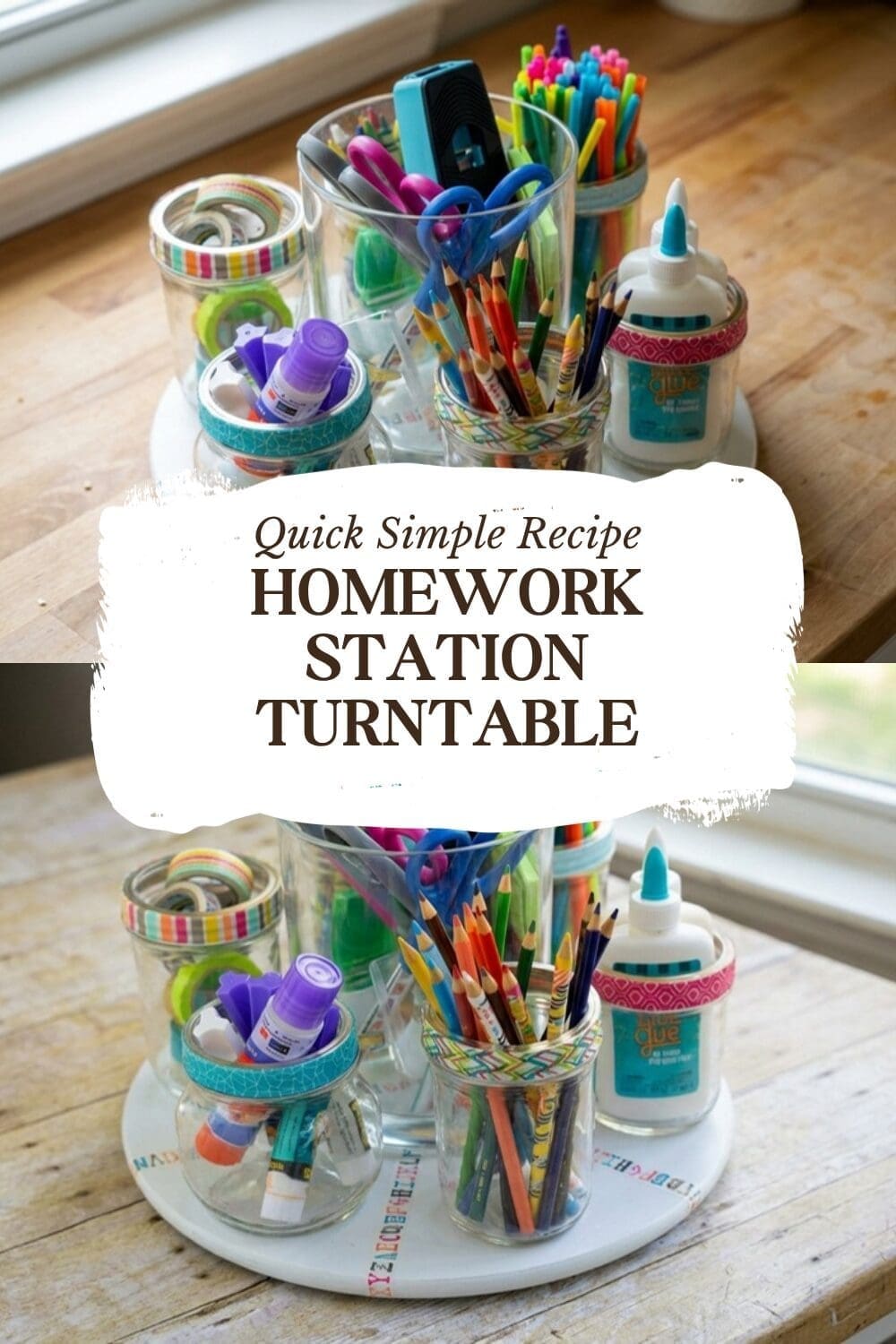
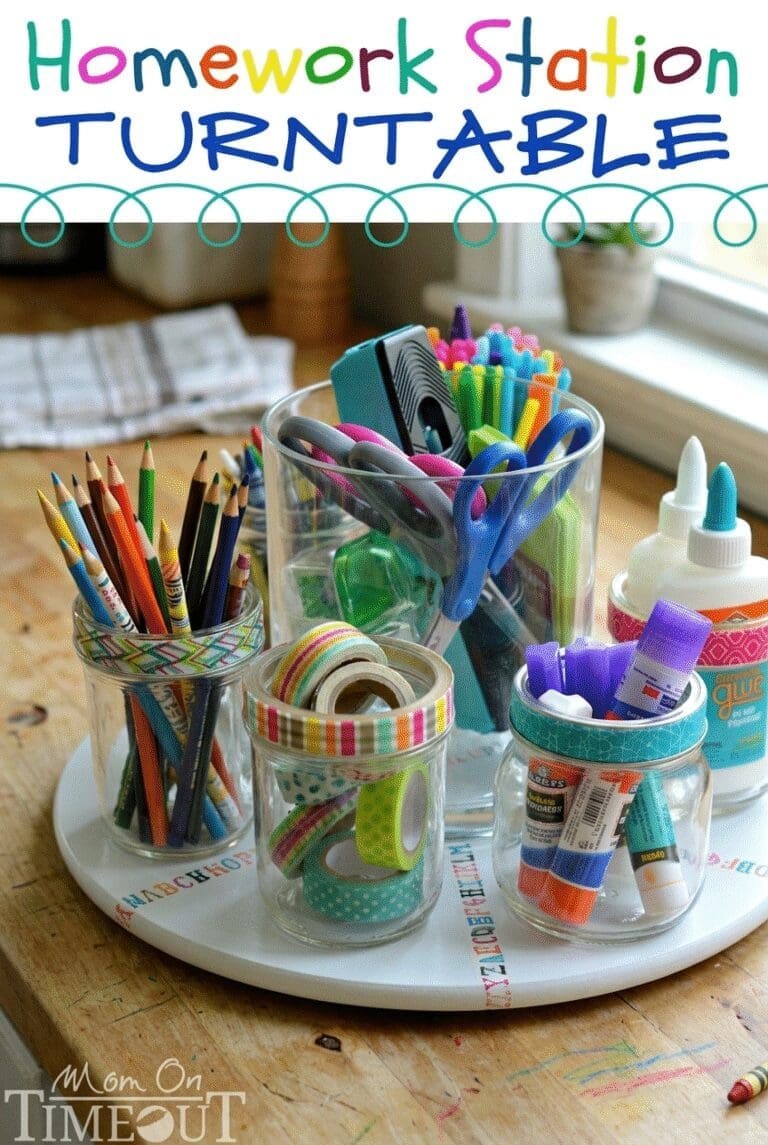
As a parent juggling school routines and creative playtime, finding ways to keep kids’ supplies organized can make all the difference. This homework station turntable is a simple rotating organizer that puts everything kids need for homework and crafts right at their fingertips. It’s designed to cut down on the daily chaos, letting little ones grab pencils or glue without digging through messy drawers.
One big plus is how easy it is to set up. You can put it together in just 30 to 45 minutes, using everyday items like a turntable and jars, which means no fancy tools or trips to the store. This turntable organizer also helps kids stay independent, as they can spin to find what they need and put it back with ease. Let’s break down a few key benefits that make this homework station turntable a game-changer for family life.
- Ease of preparation: Building this turntable setup is straightforward and quick, taking only 30 to 45 minutes from start to finish. Kids can even help with the fun parts like decorating jars, turning it into a family activity that builds excitement. This simplicity fits perfectly into busy parent schedules, letting you create an organized kids study space without overwhelming effort or complex steps just gather the basics and get going.
- Health benefits: While this isn’t a food recipe, using this turntable promotes better habits like tidiness and focus, which can reduce stress for the whole family. It keeps supplies like crayons and scissors in one spot, minimizing clutter that often leads to accidents or lost items. By encouraging kids to stay organized, it supports their overall well-being, making homework time less frustrating and more productive.
- Versatility: This turntable works for different needs, whether you’re adapting it for a small desk or adding more jars for older kids. You can tweak the design with various washi tapes or supplies to match your home’s style, making it ideal for busy parents, students, or even baking enthusiasts who want a tidy spot near their kitchen. It’s a flexible solution that fits into any kids study space, from homework zones to craft areas.
- Distinctive flavor: What sets this homework station turntable apart is its fun, customizable look with colorful tapes and easy rotation, turning a simple organizer into something kids love. It’s not just practical it’s engaging, with patterns like pink quatrefoil or alphabet designs that add a playful touch. This combination of utility and creativity makes it stand out as a homework station that keeps things both efficient and enjoyable.
By incorporating homework station turntable ideas into your routine, you’ll notice how it streamlines daily tasks and brings a sense of order. For more inspiration on keeping things neat, check out our page on delicious strawberry treats that can double as fun rewards after homework.
Jump to:
- Why You’ll Love This Homework Station Turntable
- Essential Ingredients for Homework Station Turntable
- Main Ingredients
- Special Dietary Options
- How to Prepare the Perfect Homework Station Turntable: Step-by-Step Guide
- First Step: Gather and Prepare Materials
- Second Step: Measure and Mark Sections
- Third Step: Add Decorative Tape
- Fourth Step: Position the Jars
- Fifth Step: Prepare the Jar Bands
- Sixth Step: Cut and Attach Fasteners
- Seventh Step: Secure All Items
- Final Step: Stock and Place the Station
- Dietary Substitutions to Customize Your Homework Station Turntable
- Protein and Main Component Alternatives
- Vegetable, Sauce, and Seasoning Modifications
- Mastering Homework Station Turntable: Advanced Tips and Variations
- How to Store Homework Station Turntable: Best Practices
- FAQs: Frequently Asked Questions About Homework Station Turntable
- What size turntable should I use for a kids’ homework station?
- Where can I find an affordable turntable for a homework station?
- Why secure jars with Velcro on a spinning homework turntable?
- How do kids actually use a turntable homework station?
- What supplies go on a homework station turntable and how to organize them?
- Homework Station Turntable
- Ingredients
- Instructions
- Last Step:
- Notes
- Nutrition
- Did you make this recipe?
Essential Ingredients for Homework Station Turntable
Gathering the right items is key to creating a smooth-running homework station turntable. This list covers everything you need, with exact quantities where specified, to build and stock your organizer. Each piece plays a role in making the setup both functional and fun for kids’ study space organization.
Main Ingredients
- 1 rotating turntable (lazy susan), approximately 14 inches in diameter – This serves as the base, allowing easy access to supplies during homework sessions.
- 6 glass mason jars in assorted sizes – These hold various items like pencils and glue, keeping the turntable organizer neat and categorized.
- 1 cylindrical plastic container or large jar – Placed in the center for central storage, such as sticky notes or a stapler.
- 1 pair of scissors – Used for trimming tapes and preparing materials during assembly.
- 1 ruler – Helps measure sections accurately on the turntable for even organization.
- 1 pencil – Essential for marking sections on the turntable before adding tapes.
- Assorted washi tapes (e.g., blurred lines, cracked, pink quatrefoil, big zig, alphabet, feather patterns) – Adds decorative flair and defines sections; use as needed to cover the desired areas.
- 8 fasteners rated for up to two pounds per inch – Secure jars in place to prevent slips during rotation, ensuring safety and stability.
- Assorted supplies like glue, pencils, pens, sticky notes, stapler, pipe cleaners, tape, ruler, crayons, and scissors – Fill the jars to stock the homework station, making daily items readily available; quantities vary based on needs, but gather enough for regular use.
Special Dietary Options
Since this is a craft project and not a recipe, dietary substitutions aren’t directly applicable. However, you can adapt for eco-friendly or kid-safe options, like choosing non-toxic tapes for vegan preferences or durable materials for gluten-free alternatives though these aren’t traditional dietary needs here.
How to Prepare the Perfect Homework Station Turntable: Step-by-Step Guide
Putting together a homework station turntable is a hands-on project that brings order to kids’ study spaces. Start by gathering all your materials to ensure a smooth process. This guide walks you through each step, using the turntable ideas for homework station to create something practical and fun.
First Step: Gather and Prepare Materials
Begin by collecting all the items from your ingredients list and give the turntable surface and jar bottoms a quick wipe to make them clean and dry. This sets a solid foundation for everything else. Arranging your supplies ahead of time makes the whole process flow easier and keeps kids engaged if they’re helping out.
Second Step: Measure and Mark Sections
Next, use your ruler and pencil to measure and mark six equal triangular sections on the turntable. This creates defined spots for your jars, making the turntable organizer more efficient. Double-check your marks to ensure they’re even, which helps with the overall balance of your homework station turntable.
Third Step: Add Decorative Tape
Now, line those marks with washi tape to form the sections, trimming the edges for a neat finish. Using matching patterns across sections can make it look uniform and add a playful touch to your kids study space. This step is where you can get creative, turning a simple organizer into something kids will want to use every day.
Fourth Step: Position the Jars
Place the jars along the outer edges of each section use three large and three small ones and put the cylindrical container in the center. This setup maximizes space on your turntable for kids homework area. Make sure everything fits comfortably to avoid any wobbling when it spins.
Fifth Step: Prepare the Jar Bands
Remove the metal bands and lids from the mason jars, then discard the lids since you won’t need them. Wrap washi tape around the outside of each metal band, smoothing it down and trimming the ends for a clean look. This adds personalization and makes the homework station turntable more visually appealing.
Sixth Step: Cut and Attach Fasteners
Cut the fasteners to fit the bottoms of the jars, ensuring they match the spots on the turntable. Attach one side of each fastener to the jar bottom and the other to the turntable, pressing firmly for a secure hold. These fasteners are crucial for keeping jars in place during rotation, enhancing the safety of your homework station.
Seventh Step: Secure All Items
Fasten all the jars and the center container to the turntable, double-checking that everything is stable. This step prevents any slips or spills, especially when kids are spinning it quickly. Once secured, your turntable for kids homework area is almost ready for action.
Final Step: Stock and Place the Station
Finally, fill the jars with your assorted supplies and position the whole unit in your homework zone. This makes it easy for kids to access items like glue or crayons during study time. With everything set, your homework station turntable is complete, promoting an organized kids study space that boosts focus and fun.
For more creative ideas on organizing family activities, visit our chocolate chip pudding cookies recipe, which can inspire sweet treats as rewards.

Dietary Substitutions to Customize Your Homework Station Turntable
Protein and Main Component Alternatives
While this project doesn’t involve food, you can swap main elements for better fit. For instance, if you prefer a different base, replace the glass mason jars with plastic ones for a lighter, kid-safe option. This keeps the turntable organizer adaptable for various home needs, ensuring it’s easy to handle for younger children.
Vegetable, Sauce, and Seasoning Modifications
Think of decorations as your ‘seasonings’ swap washi tapes for stickers if you want a different look, or use colored labels for allergen-free customization. These changes make your homework station turntable versatile for family preferences, like opting for non-slip fasteners if someone has sensitivity to adhesives. Always test new materials first to maintain the project’s integrity.
Mastering Homework Station Turntable: Advanced Tips and Variations
Once you have your basic setup, try these pro tips to elevate your homework station turntable. Start with techniques that ensure long-lasting results, like using stronger fasteners for heavier supplies. These ideas make your turntable for kids homework area even more effective over time.
- Pro cooking techniques: Apply even pressure when attaching fasteners to avoid weak spots, much like layering ingredients in a recipe. This advanced method keeps your organizer stable during spins, reducing the risk of items shifting.
- Flavor variations: Mix tape patterns for a unique design, such as combining alphabet and feather styles for a themed look. These variations add personality to your homework station, making it more engaging for kids.
- Presentation tips: Arrange supplies by color or use in jars to create a visually appealing display, similar to plating a dessert. This not only looks great but also helps kids quickly find what they need.
- Make-ahead options: Prep your sections in advance by marking and taping ahead of time, so assembly is fast on busy days. This strategy keeps your kids study space organized without last-minute rushes.
How to Store Homework Station Turntable: Best Practices
Keeping your homework station turntable in top shape means storing it properly to maintain its functionality. Start by wiping it down after use to keep dust at bay. These practices ensure your turntable organizer lasts through the school year.
- Refrigeration: Not needed for this project, but store in a cool, dry spot to prevent tape from peeling.
- Freezing: Avoid freezing; instead, keep it in a cupboard for long-term use without damage.
- Reheating: If supplies get sticky, wipe with a damp cloth think of it as refreshing a meal prep.
- Meal prep considerations: Treat it like batch cooking by restocking jars weekly for ongoing organization.
For more storage inspiration, check out this external resource on DIY Homework Stations Back to School.
FAQs: Frequently Asked Questions About Homework Station Turntable
What size turntable should I use for a kids’ homework station?
Where can I find an affordable turntable for a homework station?
Why secure jars with Velcro on a spinning homework turntable?
How do kids actually use a turntable homework station?
What supplies go on a homework station turntable and how to organize them?
Homework Station Turntable
📚 Transform your child’s study area with this Homework Station Turntable that keeps supplies organized and easily accessible, promoting better focus and homework efficiency.
🔄 Enjoy the rotating design for quick access to everything needed, making study time fun and clutter-free for kids of all ages.
- Total Time: 30-45 minutes
- Yield: 1 turntable organizer
Ingredients
– 1 rotating turntable (lazy susan), approximately 14 inches in diameter for the base
– 6 glass mason jars in assorted sizes for holding various items like pencils and glue
– 1 cylindrical plastic container or large jar for central storage
– 1 pair of scissors for trimming tapes and preparing materials during assembly
– 1 ruler for measuring sections accurately on the turntable
– 1 pencil for marking sections on the turntable
– Assorted washi tapes (e.g., blurred lines, cracked, pink quatrefoil, big zig, alphabet, feather patterns) for adding decorative flair and defining sections
– 8 fasteners rated for up to two pounds per inch for securing jars in place
– Assorted supplies like glue, pencils, pens, sticky notes, stapler, pipe cleaners, tape, ruler, crayons, and scissors for filling the jars
Instructions
1-First Step: Gather and Prepare Materials Begin by collecting all the items from your ingredients list and give the turntable surface and jar bottoms a quick wipe to make them clean and dry. This sets a solid foundation for everything else. Arranging your supplies ahead of time makes the whole process flow easier and keeps kids engaged if they’re helping out.
2-Second Step: Measure and Mark Sections Next, use your ruler and pencil to measure and mark six equal triangular sections on the turntable. This creates defined spots for your jars, making the turntable organizer more efficient. Double-check your marks to ensure they’re even, which helps with the overall balance of your homework station turntable.
3-Third Step: Add Decorative Tape Now, line those marks with washi tape to form the sections, trimming the edges for a neat finish. Using matching patterns across sections can make it look uniform and add a playful touch to your kids study space. This step is where you can get creative, turning a simple organizer into something kids will want to use every day.
4-Fourth Step: Position the Jars Place the jars along the outer edges of each section use three large and three small ones and put the cylindrical container in the center. This setup maximizes space on your turntable for kids homework area. Make sure everything fits comfortably to avoid any wobbling when it spins.
5-Fifth Step: Prepare the Jar Bands Remove the metal bands and lids from the mason jars, then discard the lids since you won’t need them. Wrap washi tape around the outside of each metal band, smoothing it down and trimming the ends for a clean look. This adds personalization and makes the homework station turntable more visually appealing.
6-Sixth Step: Cut and Attach Fasteners Cut the fasteners to fit the bottoms of the jars, ensuring they match the spots on the turntable. Attach one side of each fastener to the jar bottom and the other to the turntable, pressing firmly for a secure hold. These fasteners are crucial for keeping jars in place during rotation, enhancing the safety of your homework station.
7-Seventh Step: Secure All Items Fasten all the jars and the center container to the turntable, double-checking that everything is stable. This step prevents any slips or spills, especially when kids are spinning it quickly. Once secured, your turntable for kids homework area is almost ready for action.
8-Final Step: Stock and Place the Station Finally, fill the jars with your assorted supplies and position the whole unit in your homework zone. This makes it easy for kids to access items like glue or crayons during study time. With everything set, your homework station turntable is complete, promoting an organized kids study space that boosts focus and fun.
Last Step:
Please leave a rating and comment letting us know how you liked this recipe! This helps our business to thrive and continue providing free, high-quality recipes for you.Notes
🔒 Use strong fasteners to ensure jars stay secure during rotation, preventing slips or spills.
👐 The design allows jars to detach easily, encouraging kids to use and replace items independently.
🎨 Mix and match washi tape patterns on the bands for a playful and personalized customization.
- Prep Time: 30-45 minutes
- Cook Time: 0 minutes
- Category: DIY Crafts
- Method: Assembly
Nutrition
- Serving Size: 1 organizer
- Calories: 0
- Sugar: 0g
- Sodium: 0mg
- Fat: 0g
- Saturated Fat: 0g
- Unsaturated Fat: 0g
- Trans Fat: 0g
- Carbohydrates: 0g
- Fiber: 0g
- Protein: 0g
- Cholesterol: 0mg