Why You’ll Love These Roasted Spring Vegetables
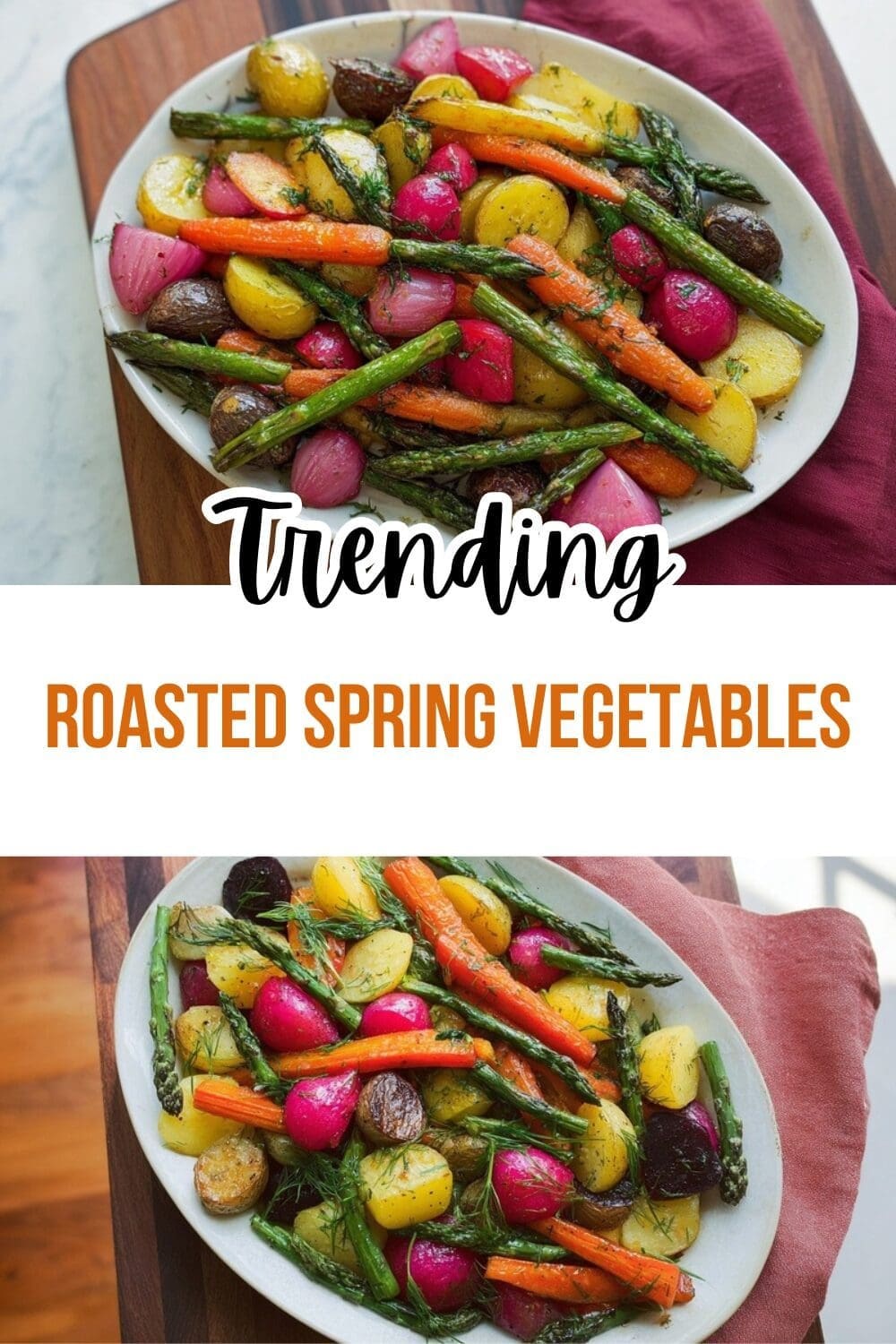
If you are craving something bright, cozy, and hands-off, Roasted Spring Vegetables are the answer. This sheet-pan recipe focuses on spring vegetables that taste fresh and roast up with caramelized edges. Plus, it is flexible enough for picky eaters, busy weeknights, and diet-conscious meals.
- Ease of preparation: With Roasted Spring Vegetables you get a simple setup, a quick 45 minute total time, and minimal cleanup since everything cooks together on one tray.
- Health benefits: The mix of cauliflower, asparagus, and leeks brings fiber and important nutrients. Nutrition per serving is approximately 162 calories, 31g carbohydrates, and 5g protein.
- Versatility: You can keep it vegetarian or adapt your roasted spring vegetable tray to include chicken, shrimp, or other proteins.
- Distinctive flavor: Lemon slices help brighten the whole pan, especially as the juice soaks into leeks and complements the savory seasoning.
Tip: Cut vegetables into similar sizes so your Roasted Spring Vegetables roast evenly and turn out crisp, not soggy.
To pair this veggie roast with a comforting dinner idea, you may also like steak frites for a full plate that feels restaurant-style without extra stress.
Jump to:
- Why You’ll Love These Roasted Spring Vegetables
- Essential Ingredients for Roasted Spring Vegetables
- Ingredients
- Optional dietary notes (quick swaps)
- How to Prepare the Perfect Roasted Spring Vegetables: Step-by-Step Guide
- What you will need
- Step-by-step directions
- How to adapt while keeping the same method
- Dietary Substitutions to Customize Your Roasted Spring Vegetables
- Protein and Main Component Alternatives
- Vegetable, Sauce, and Seasoning Modifications
- Mastering Roasted Spring Vegetables: Advanced Tips and Variations
- Pro cooking techniques
- Flavor variations you can try
- Presentation tips
- Make-ahead options for busy schedules
- How to Store Roasted Spring Vegetables: Best Practices
- Refrigeration
- Freezing
- Reheating
- FAQs: Frequently Asked Questions About Roasted Spring Vegetables
- What are the best spring vegetables to roast?
- How do you roast spring vegetables step by step?
- Can I adapt roasted spring vegetables for other seasons?
- How do you store and reheat leftover roasted spring vegetables?
- Can you add protein like chicken to roasted spring vegetables?
- Roasted Spring Vegetables
- Ingredients
- Instructions
- Last Step:
- Notes
- Nutrition
- Did you make this recipe?
Essential Ingredients for Roasted Spring Vegetables
This recipe is built for classic spring flavors, with hearty vegetables roasting first and tender ones added later. Below is everything you need for Roasted Spring Vegetables, plus optional herb ideas for a fresh finish.
Ingredients
- 1 1/2 pounds new potatoes, quartered – Roasts into tender, golden bites and forms the hearty base of the pan.
- 4 cups cauliflower florets – Adds gentle flavor and helps create crisp edges with a satisfying bite.
- 2 large leeks (about 1 1/2 cups chopped), cut in half moons – Brings mild sweetness and soaks up the lemony juices.
- 1-2 tablespoons avocado oil or olive oil – Helps vegetables roast instead of steam and supports browning.
- Sea salt to taste – Brings out natural sweetness and balances the lemon.
- Black pepper to taste – Adds warmth and deep savory flavor.
- 1 pound asparagus, ends trimmed and cut into 2-inch pieces – Cooks quickly and adds a bright, springy taste.
- 1 lemon, thinly sliced – Adds bright, sweet flavor and helps create a tangy finish.
- Optional: chopped fresh herbs such as Italian parsley, fresh dill, spring onions, or fresh thyme – Adds freshness and a pop of color right before serving.
Optional dietary notes (quick swaps)
- Vegan: This roasted spring vegetable recipe is already vegan if you keep it as written.
- Gluten-free: It is naturally gluten-free since there are no grains, flour, or gluten-containing sauces.
- Low-calorie leaning: Use 1 tablespoon oil instead of 2 and keep salt and pepper modest for a lighter tray.
For more on why asparagus is a nutritious spring pick, see this overview of asparagus benefits.
How to Prepare the Perfect Roasted Spring Vegetables: Step-by-Step Guide
This is the kind of recipe where the oven does most of the work. You will roast the Roasted Spring Vegetables in two stages so the hearty vegetables get time to caramelize while asparagus stays tender and bright.
What you will need
- 1 large baking tray
- Parchment paper
- Cutting board and sharp knife
| Stage | Oven Temp | What goes on the tray | Time |
|---|---|---|---|
| Roast 1 | 425°F | Potatoes, cauliflower, leeks | 25 minutes |
| Roast 2 | 425°F | Asparagus + lemon slices | 10 minutes |
Step-by-step directions
- First Step: Preheat oven to 425 degrees Fahrenheit and line a baking tray with parchment paper. This helps your Roasted Spring Vegetables roast without sticking.
- Second Step: Arrange the quartered new potatoes, cauliflower florets, and leek half moons on the tray in a single layer. Single layer cooking helps browning and keeps the vegetables crisp.
- Third Step: Drizzle vegetables with 1-2 tablespoons avocado oil or olive oil. Season generously with sea salt and black pepper so the flavors stay bold after roasting.
- Fourth Step: Roast for 25 minutes. This first roast time gives potatoes and cauliflower the caramelization they need.
- Fifth Step: Add the asparagus pieces and toss them into the vegetable mix. Top with the thinly sliced lemon so the juices start working while everything finishes roasting.
- Final Step: Return to the oven for another 10 minutes, then optionally garnish with chopped fresh herbs such as Italian parsley, fresh dill, spring onions, or fresh thyme. Serve hot for best texture.
How to adapt while keeping the same method
To make sure your roasted spring vegetable tray still turns out great when you swap ingredients, keep the two-stage timing idea. Add tender veggies during the last 10 minutes so they do not overcook.
- Root vegetables: Sweet potatoes, turnips, beets, radishes, and carrots can be roasted for 35 minutes as your main base.
- Quicker-cooking veggies: Broccoli, snap peas, snow peas, Swiss chard, or rainbow chard go in during the last 10 minutes.
- Fall swap: Use seasonal vegetables such as sweet potatoes, Brussels sprouts, and red onions as the base, then top with broccoli and lemon slices for the final 10 minutes.
Lemon slices are not just garnish. As the juice warms, it creates a bright, sweet flavor that pairs especially well with leeks.
Prep time: 10 minutes. Cook time: 35 minutes. Total time: 45 minutes.
If you want a protein-forward dinner, you can follow the same steps and finish with chicken. For example, add marinated chicken breast pieces to the slower-cooking vegetables and roast together for an all-in-one meal.
You can also see a different sheet-pan approach in parmesan garlic crusted chicken to get ideas for seasoning that works well alongside roasted vegetables.

Dietary Substitutions to Customize Your Roasted Spring Vegetables
Protein and Main Component Alternatives
If you want your Roasted Spring Vegetables to be more of a main dish, add a protein that matches the roast timing. Keep the vegetable timing intact so everything reaches the right texture.
- Chicken: Add marinated chicken breast pieces to the slow-cooking vegetables and roast together.
- Seafood: Shrimp can be added during the last 10 minutes so it stays juicy.
- Vegetarian: Keep it as written, or add chickpeas after the first roast for extra bite.
Vegetable, Sauce, and Seasoning Modifications
You can swap vegetables based on what is available without losing the signature taste of roasted spring vegetable recipes. The key is keeping hearty items earlier and tender items later.
- Veg swaps for the first 25 minutes: Sweet potatoes, turnips, beets (peeled and chopped), radishes, carrots, and fennel.
- Veg swaps for the last 10 minutes: Broccoli, snap peas, snow peas, Swiss chard, and rainbow chard.
- Seasoning options: Stick with salt and pepper, then try herbs like thyme or rosemary. Finish with fresh dill or parsley for brightness.
- Extra flavor: A light drizzle of balsamic after roasting can add depth while still letting the lemon shine.
Stay consistent with oil and salt so the vegetables roast instead of steam. When in doubt, use the same oven temperature and cut pieces to similar sizes for even cooking.
Mastering Roasted Spring Vegetables: Advanced Tips and Variations
Once you have the basic timing down, it becomes easy to make your Roasted Spring Vegetables taste like a new dish every time. These tips focus on texture, flavor, and presentation.
Pro cooking techniques
- Use airflow: Spread vegetables in a single layer. If your tray is crowded, use two pans to improve browning and crisp edges.
- Shake or toss once: Stir or toss halfway when roasting in your oven style. Even contact with hot air leads to better caramelization.
- Check doneness: Pierce with a fork. You want tender but firm vegetables, especially for asparagus.
Flavor variations you can try
- Herb-forward: Add chopped fresh thyme or Italian parsley at the end for a fresh aroma.
- Garlic boost: Toss with a little minced garlic along with oil, salt, and pepper before roasting.
- Extra lemon moment: Add one extra lemon slice to the tray for a stronger citrus finish.
Presentation tips
When you plate roasted spring vegetable side dishes, keep the pan juices in the bowl so they do not disappear. Drizzle any remaining lemon and herb flavor over the top right before serving.
- Serve hot as a side or over greens.
- Top with herbs right before guests arrive.
- Pair with a simple sauce like yogurt or a light vinaigrette if you like creamy contrast.
Make-ahead options for busy schedules
- Prep ahead: Cut potatoes, cauliflower, and leeks up to a day in advance. Store covered in the fridge.
- Quick reheat: Roast fresh if possible, but if needed, reheat in the oven at 425°F for best texture.
Make-ahead trick: roast the tougher vegetables first, then add asparagus and lemon when you are ready to finish. It keeps everything bright.
How to Store Roasted Spring Vegetables: Best Practices
Leftovers are great for lunches, grain bowls, and quick dinners. With Roasted Spring Vegetables, proper storage helps keep the flavor and texture as close to fresh as possible.
Refrigeration
- Cool veggies completely to room temperature (about 30 minutes).
- Store in an airtight container in the refrigerator for up to five days.
Freezing
- Portion into freezer bags or containers and freeze for up to three months.
- Thaw overnight in the refrigerator before reheating.
Reheating
- Reheat in an oven set to 425 degrees Fahrenheit for 10-15 minutes until hot.
- Use a parchment-lined sheet for best results and stir once during reheating.
- Avoid the microwave if you want crisp edges, since it can make vegetables soft.
For more context on potatoes and nutrition, you can read this potato health benefits article.
FAQs: Frequently Asked Questions About Roasted Spring Vegetables
What are the best spring vegetables to roast?
How do you roast spring vegetables step by step?
Can I adapt roasted spring vegetables for other seasons?
How do you store and reheat leftover roasted spring vegetables?
Can you add protein like chicken to roasted spring vegetables?
Roasted Spring Vegetables
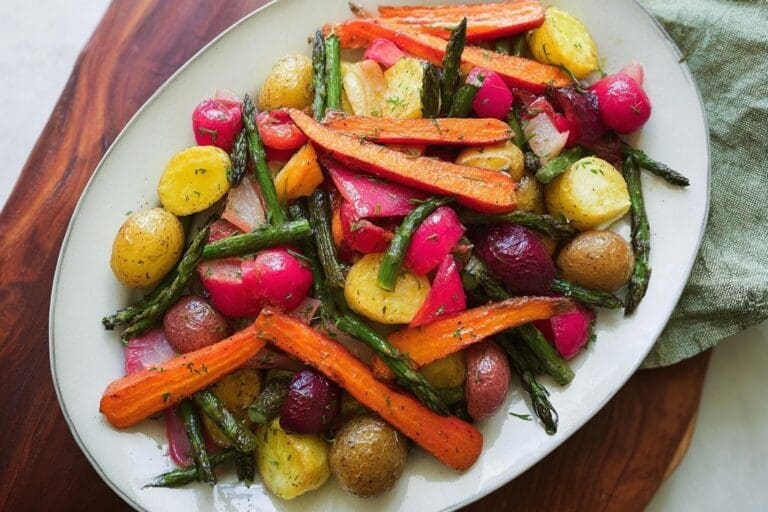
🌱🥔 Colorful spring roasted vegetables caramelized to perfection – nutrient-packed side bursting with fresh flavors!
🍋 Sheet pan simplicity yields healthy, vibrant dish ready in 45 minutes for any meal.
- Total Time: 45 minutes
- Yield: 6 servings
Ingredients
– 1 1/2 pounds new potatoes, quartered
– 4 cups cauliflower florets
– 2 large leeks (about 1 1/2 cups chopped), cut in half moons
– 1-2 tablespoons avocado oil or olive oil
– Sea salt to taste
– Black pepper to taste
– 1 pound asparagus, ends trimmed and cut into 2-inch pieces
– 1 lemon, thinly sliced
– Optional: chopped fresh herbs such as Italian parsley, fresh dill, spring onions, or fresh thyme
Instructions
1-First Step: Preheat oven to 425 degrees Fahrenheit and line a baking tray with parchment paper. This helps your Roasted Spring Vegetables roast without sticking.
2-Second Step: Arrange the quartered new potatoes, cauliflower florets, and leek half moons on the tray in a single layer. Single layer cooking helps browning and keeps the vegetables crisp.
3-Third Step: Drizzle vegetables with 1-2 tablespoons avocado oil or olive oil. Season generously with sea salt and black pepper so the flavors stay bold after roasting.
4-Fourth Step: Roast for 25 minutes. This first roast time gives potatoes and cauliflower the caramelization they need.
5-Fifth Step: Add the asparagus pieces and toss them into the vegetable mix. Top with the thinly sliced lemon so the juices start working while everything finishes roasting.
6-Final Step: Return to the oven for another 10 minutes, then optionally garnish with chopped fresh herbs such as Italian parsley, fresh dill, spring onions, or fresh thyme. Serve hot for best texture.
Last Step:
Please leave a rating and comment letting us know how you liked this recipe! This helps our business to thrive and continue providing free, high-quality recipes for you.Notes
🔄 Add quick-cook veggies like broccoli in last 10 minutes to avoid overcooking.
🍋 Lemon slices infuse bright citrus flavor as they roast.
❄️ Store leftovers in fridge up to 5 days; reheat at 425°F for crispiness.
- Prep Time: 10 minutes
- Cook Time: 35 minutes
- Category: Side Dishes
- Method: Roasting
- Cuisine: American
- Diet: Vegan, Gluten Free
Nutrition
- Serving Size: 1 1/2 cups
- Calories: 162 kcal
- Sugar: 3 g
- Sodium: 41 mg
- Fat: 3 g
- Saturated Fat: 0.5 g
- Unsaturated Fat: 2.5 g
- Trans Fat: 0 g
- Carbohydrates: 31 g
- Fiber: 5 g
- Protein: 5 g
- Cholesterol: 0 mg