Why You’ll Love This Takoyaki
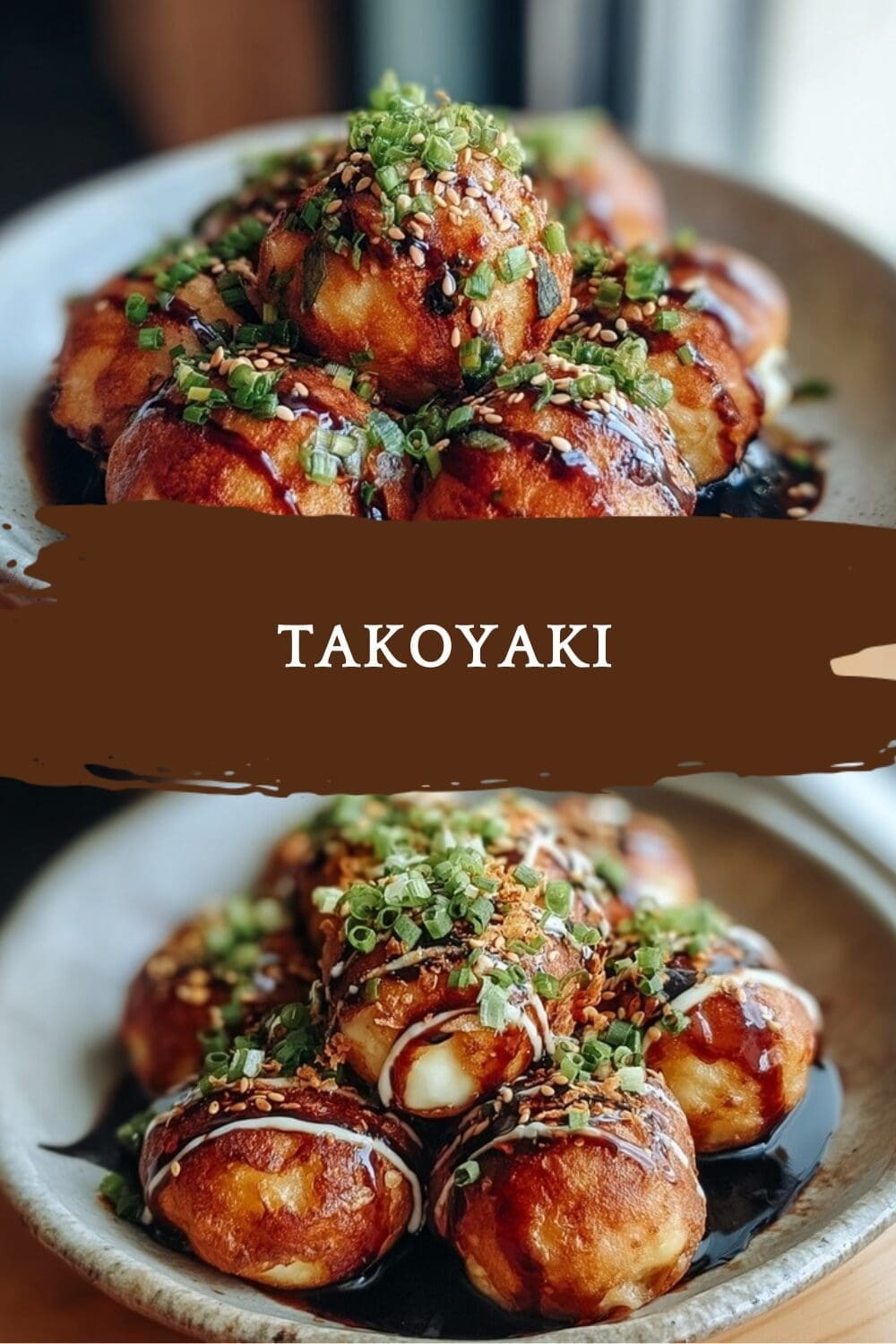
Takoyaki is a fun, savory Japanese street food that turns simple ingredients into crisp-edged, golden-brown octopus balls. Because it cooks quickly and is easy to customize, it works well for weeknights, game days, and even casual parties.
- Ease of preparation: This authentic takoyaki recipe moves fast, with most cooks finishing in about 15 to 20 minutes once the pan is hot. You pour takoyaki batter into the molds, add fillings, and turn the balls until evenly browned.
- Distinctive flavor: The signature combo is savory wheat flour batter, octopus, and crunchy additions like tempura scraps. Then each takoyaki ball gets brushed with takoyaki sauce and Japanese mayonnaise, followed by dried seaweed flakes and bonito shavings.
- Versatility: You can keep it classic or try homemade takoyaki variations with cheese, spicy toppings, or different add-ins. It also adapts nicely for people who prefer different textures and flavor levels.
- Food-sense benefits: Takoyaki offers carbohydrates from the batter, protein from octopus, and fats from the sauces. That makes it satisfying as a snack or a side dish alongside other meal favorites.
In other words, a good takoyaki pan and a steady hand are the main “secret” tools. For a related street-food style bite, you might also enjoy this guide to spring roll in a bowl, which is another quick, flexible weeknight option.
Jump to:
- Why You’ll Love This Takoyaki
- Essential Ingredients for Takoyaki
- How to Prepare the Perfect Takoyaki: Step-by-Step Guide
- What you need before you start
- Step-by-step takoyaki instructions
- Cooking timing and temperature guidance
- Classic toppings and serving style
- Dietary Substitutions to Customize Your Takoyaki
- Protein and Main Component Alternatives
- Vegetable, Sauce, and Seasoning Modifications
- Mastering Takoyaki: Advanced Tips and Variations
- Pro cooking techniques
- Flavor variations to try
- Presentation tips and batch planning
- How to Store Takoyaki: Best Practices
- Refrigeration
- Freezing
- Reheating for best texture
- Meal prep considerations
- FAQs: Frequently Asked Questions About Takoyaki
- Takoyaki
- Ingredients
- Instructions
- Last Step:
- Notes
- Nutrition
- Did you make this recipe?
Essential Ingredients for Takoyaki
Below is what you need for classic takoyaki. Note that many home cooks adjust amounts based on how many balls they want, but these are the key components you will see in authentic Japanese octopus balls recipes.
- Wheat flour-based takoyaki batter: The base that forms the ball shape in the molded pan and creates the crisp, golden crust.
- Octopus: Typically minced or diced, it gives takoyaki its signature savory, seafood-forward flavor.
- Tempura scraps: Adds crunch and a light, fried texture inside the ball.
- Pickled ginger: Bright, tangy bites that balance the richness of sauces and mayo.
- Green onion: Adds fresh aroma and a mild bite.
- Takoyaki sauce: A sweet-savory sauce brushed over the finished balls.
- Japanese mayonnaise: Creamy topping that pairs perfectly with the sauce.
- Dried seaweed flakes: Adds a savory ocean aroma and subtle texture.
- Bonito flakes: These classic toppings sit on top of the hot balls and create that iconic lively look.
Vegetable, sauce, and seasoning choices can vary by household, but the items above are the heart of an authentic takoyaki recipe.
Quick note: If you want the most classic results, plan for a hot, oiled takoyaki pan so the batter sets quickly in the rounded molds.
How to Prepare the Perfect Takoyaki: Step-by-Step Guide
What you need before you start
Takoyaki is made in a special molded pan with rounded wells. Pans are often cast iron or electric models with non-stick coatings, and both work well as long as you can heat them properly. Start by prepping fillings so you can assemble quickly.
Typical fillings include minced or diced octopus, tempura scraps, pickled ginger, and green onion. During cooking, you turn the balls with a pick to form even, golden-brown rounds.
Step-by-step takoyaki instructions
Use this guide for an easy takoyaki recipe that still feels authentic, with clear timing and practical technique.
- First Step: Preheat your takoyaki pan and prep fillings
Heat the takoyaki pan until it is hot enough to sizzle when batter touches it. Oil the molded wells lightly so the takoyaki batter releases easily. Mince or dice your octopus, and set out tempura scraps, pickled ginger, and green onion so you can add them fast. - Second Step: Mix your wheat flour-based takoyaki batter
Prepare a wheat flour-based batter and aim for a pourable consistency. The batter is the heart of homemade takoyaki because it forms the crisp shell when it cooks in the rounded molds. If you want thicker balls, let the batter rest for a minute so flour hydrates. - Third Step: Pour batter into the rounded molds
Pour batter into each well, filling generously. This matters because generous batter helps create even coverage around the mold edges, which supports a uniform round shape as you cook. - Fourth Step: Add fillings to the batter
Place a small amount of octopus, tempura scraps, pickled ginger, and green onion into each partially filled ball. Keep the portions tight so the centers cook through instead of leaking or staying soft. - Fifth Step: Pour more batter to cover the fillings
Add a little more batter so the fillings are tucked inside. The goal is a complete shell that will crisp when you start turning. - Sixth Step: Watch for set edges, then start turning
Cook until the bottoms look firm and lightly golden. Turn the balls with a pick, gently flipping so the batter forms a continuous, rounded shape. Continuous turning is key for a crisp crust and even browning. - Seventh Step: Cook to a consistent golden-brown color
Continue turning as needed until all sides are evenly browned. For electric takoyaki pans, you may adjust heat slightly to avoid burning while still getting that crisp exterior. - Final Step: Brush with takoyaki sauce and mayonnaise, then top
Remove the cooked takoyaki balls to a plate. Brush each with takoyaki sauce and Japanese mayonnaise, then sprinkle dried seaweed flakes and bonito shavings. Serve right away so the toppings can bloom on the hot surface.
Cooking timing and temperature guidance
Exact times vary by pan type and heat level, but a total time of about 15 to 20 minutes is typical for a batch. Plan for a few minutes of preheating, then several short rounds of cooking and turning.
Tip: If the balls are browning too fast, lower the heat and cook more slowly to avoid raw centers. If they are not crisping, increase heat slightly and be generous with batter.
Classic toppings and serving style
Takoyaki is often enjoyed like street food, especially in Japan. The most traditional finish is takoyaki sauce and mayonnaise, plus dried seaweed flakes and bonito flakes. That balance of sweet-savory sauce, creamy mayo, and ocean-seasoned toppings is why this snack tastes so “complete.”
| Stage | What to look for | What to do |
|---|---|---|
| Preheat | Pan is hot and wells look ready to sizzle | Oil lightly, then start pouring batter |
| Early cooking | Batter edges set | Wait a moment before turning |
| Turning | Ball shape starts to form | Turn with a pick for even rounds |
| Finish | Even golden-brown color | Brush sauce, add mayo, then top |

Dietary Substitutions to Customize Your Takoyaki
Protein and Main Component Alternatives
If you want a different twist on an authentic Japanese octopus balls recipe, start by swapping the filling. For a seafood-style flavor, some cooks use chopped imitation seafood or other tender proteins, but the taste will differ. For a vegetable-forward option, you can focus on fillings like diced mushrooms and add texture with tempura scraps.
Remember that the ball still relies on wheat flour-based takoyaki batter to set in the pan molds. If you need a gluten-free approach, you can use a gluten-free flour blend designed for frying or batter-style cooking, keeping the batter pourable for proper mold formation.
Vegetable, Sauce, and Seasoning Modifications
Traditional takoyaki commonly includes pickled ginger and green onion for tang and freshness. You can swap green onion for chives or finely sliced scallions, depending on what you have. For pickled ginger substitutes, use a small amount of tangy pickles (minced) to maintain that bright flavor contrast.
For takoyaki sauce, look for a similar sweet-savory brown sauce, or create a simple home mix if store-bought is unavailable. When choosing Japanese mayonnaise, you can use regular mayo if it fits your dietary needs, and always taste as you go because sauce sweetness can vary by brand.
Pro tip: Keep toppings simple at first so you can taste how your substitutions affect the takoyaki batter and fillings balance.
Mastering Takoyaki: Advanced Tips and Variations
Pro cooking techniques
Want your homemade takoyaki to look like what you see at Japanese street stalls? Focus on three practical techniques. First, pour batter generously so the edges crisp and the ball shape stays round during turning. Second, keep the pan well-oiled to prevent sticking, especially when you flip often.
Third, turn continuously but gently. A pick works best because it can help you rotate the ball without tearing the crust. Those small, steady flips create the signature crisp exterior.
Flavor variations to try
Classic fillings include minced or diced octopus, tempura scraps, pickled ginger, and green onion. But you can customize to match your preferences. Try cheese for a melty center, or add spicy ingredients if you like heat.
You can also adjust topping patterns. Some home cooks drizzle more takoyaki sauce, while others add extra Japanese mayonnaise for a richer finish. Dried seaweed flakes and bonito shavings are the final step that helps keep the flavor profile distinctly Japanese.
Presentation tips and batch planning
For best results, plate takoyaki immediately after topping so bonito shavings stay fresh on the hot surface. If you are making a batch for a busy group, cook in small rounds so every ball stays crisp. You can also keep the first batch warm on a plate near the pan, then finish toppings in waves.
Takoyaki is originally linked to Osaka, where it became a popular street food. Its street-food style makes it ideal for casual celebrations and quick gatherings.
How to Store Takoyaki: Best Practices
Takoyaki tastes best fresh, but proper storage can help. Because the crust can soften, storage and reheating method matter.
Refrigeration
Cool takoyaki to room temperature, then store in an airtight container. Refrigerate promptly and eat within 1 to 2 days for the best texture.
Freezing
You can freeze cooked takoyaki, but consider freezing without heavy toppings first if possible. Place them in a single layer to prevent sticking, then transfer to a freezer bag. Thaw in the fridge before reheating.
Reheating for best texture
Reheat in a hot pan or toaster oven to bring back some crispiness. Microwaving is faster but can make the batter softer. For frozen takoyaki, reheat a bit longer and keep an eye on browning.
Meal prep considerations
If you are planning ahead, prep fillings and make sauce and topping bowls in advance. Then cook takoyaki right before serving so each ball gets crisp and hot with the final brushed takoyaki sauce and mayonnaise.
FAQs: Frequently Asked Questions About Takoyaki
Print
Takoyaki
🐙🥞 Crispy golden takoyaki balls oozing tender octopus, green onions & pickled ginger – authentic Osaka street snack magic!
🍢 Fun interactive 35-min savory bites, customizable fillings for parties or quick appetizers.
- Total Time: 35 minutes
- Yield: 30 balls (4-6 servings)
Ingredients
– Wheat flour-based takoyaki batter
– Octopus
– Tempura scraps
– Pickled ginger
– Green onion
– Takoyaki sauce
– Japanese mayonnaise
– Dried seaweed flakes
– Bonito flakes
Instructions
1-First Step: Preheat your takoyaki pan and prep fillings Heat the takoyaki pan until it is hot enough to sizzle when batter touches it. Oil the molded wells lightly so the takoyaki batter releases easily. Mince or dice your octopus, and set out tempura scraps, pickled ginger, and green onion so you can add them fast.
2-Second Step: Mix your wheat flour-based takoyaki batter Prepare a wheat flour-based batter and aim for a pourable consistency. The batter is the heart of homemade takoyaki because it forms the crisp shell when it cooks in the rounded molds. If you want thicker balls, let the batter rest for a minute so flour hydrates.
3-Third Step: Pour batter into the rounded molds Pour batter into each well, filling generously. This matters because generous batter helps create even coverage around the mold edges, which supports a uniform round shape as you cook.
4-Fourth Step: Add fillings to the batter Place a small amount of octopus, tempura scraps, pickled ginger, and green onion into each partially filled ball. Keep the portions tight so the centers cook through instead of leaking or staying soft.
5-Fifth Step: Pour more batter to cover the fillings Add a little more batter so the fillings are tucked inside. The goal is a complete shell that will crisp when you start turning.
6-Sixth Step: Watch for set edges, then start turning Cook until the bottoms look firm and lightly golden. Turn the balls with a pick, gently flipping so the batter forms a continuous, rounded shape. Continuous turning is key for a crisp crust and even browning.
7-Seventh Step: Cook to a consistent golden-brown color Continue turning as needed until all sides are evenly browned. For electric takoyaki pans, you may adjust heat slightly to avoid burning while still getting that crisp exterior.
8-Final Step: Brush with takoyaki sauce and mayonnaise, then top Remove the cooked takoyaki balls to a plate. Brush each with takoyaki sauce and Japanese mayonnaise, then sprinkle dried seaweed flakes and bonito shavings. Serve right away so the toppings can bloom on the hot surface.
Last Step:
Please leave a rating and comment letting us know how you liked this recipe! This helps our business to thrive and continue providing free, high-quality recipes for you.Notes
🔥 Oil pan generously; re-oil between batches for non-stick crispy balls.
🪮 Turn constantly with picks for perfect round shape and even crust.
🐙 Use pre-boiled octopus; fresh or canned works for tender chew.
- Prep Time: 15 minutes
- Batter Resting: 15 minutes
- Cook Time: 20 minutes
- Category: Snacks
- Method: Pan-Fry
- Cuisine: Japanese
- Diet: Pescatarian
Nutrition
- Serving Size: 6-8 balls
- Calories: 280 kcal
- Sugar: 5 g
- Sodium: 800 mg
- Fat: 10 g
- Saturated Fat: 2 g
- Unsaturated Fat: 8 g
- Trans Fat: 0 g
- Carbohydrates: 35 g
- Fiber: 2 g
- Protein: 12 g
- Cholesterol: 100 mg