Why You’ll Love This Spam Musubi
Ease of preparation:
This Spam Musubi recipe is quick and straightforward, with about 25 minutes of prep plus 5 minutes of cooking. Once you slice and marinate the luncheon meat, the rest is mostly assembly. If you’ve ever made sushi rice at home, you’ll feel right at ease.Health benefits:
While it is a snack, it’s built around sushi rice for satisfying texture and protein from canned luncheon meat. For a nutrition reality check, each serving comes in around 317 calories, with 9 grams of protein and 1 gram of fiber. If you want to eat with more balance, pair it with fruit or veggies. (You can also read more about nutrition around processed foods from Healthline’s take on whether Spam is healthy.)Versatility:
This Hawaiian musubi is easy to adjust, whether you swap the glaze or choose a different protein style. You can also make it lighter by using lower-sodium options and portioning. Plus, it works for meal prep because it holds up well when wrapped properly.Distinctive flavor:
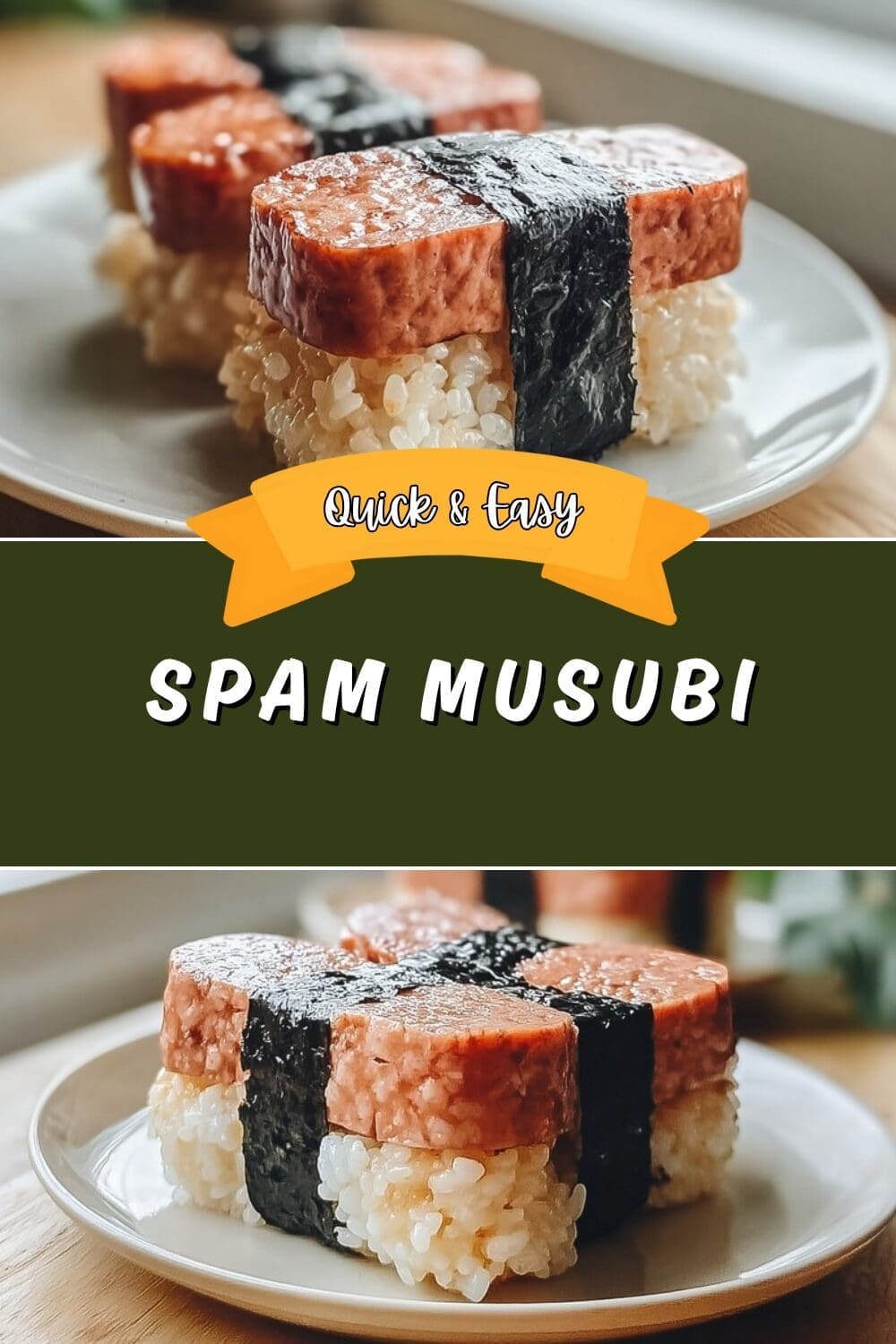
The sweet-salty marinade with oyster sauce, soy sauce, and sugar creates that classic Hawaiian musubi taste. Add roasted nori seaweed and optional furikake, and you get a snack that tastes like it came from a local convenience store.
Quick promise: If you can cook rice and wrap nori, you can make easy spam musubi at home.
And if you want a little refresher on rice texture, check out this guide to sushi rice to get the stickiness just right.
Jump to:
- Why You’ll Love This Spam Musubi
- Ease of preparation:
- Health benefits:
- Versatility:
- Distinctive flavor:
- Essential Ingredients for Spam Musubi
- Main Ingredients
- Special Dietary Options
- How to Prepare the Perfect Spam Musubi: Step-by-Step Guide
- First Step: Slice and set up your workstation
- Second Step: Make the marinade and marinate
- Third Step: Drain and fry until browned and slightly crispy
- Fourth Step: Cut nori and prepare your rice shaping
- Fifth Step: Press rice into the mold, then add furikake
- Sixth Step: Top with fried luncheon meat
- Final Step: Wrap the nori and seal for clean handheld bites
- Dietary Substitutions to Customize Your Spam Musubi
- Protein and Main Component Alternatives
- Vegetable, Sauce, and Seasoning Modifications
- Mastering Spam Musubi: Advanced Tips and Variations
- Pro cooking techniques
- Flavor variations
- Presentation tips
- Make-ahead options
- How to Store Spam Musubi: Best Practices
- Refrigeration
- Freezing
- Reheating
- Meal prep considerations
- FAQs: Frequently Asked Questions About Spam Musubi
- What is spam musubi?
- What ingredients do I need for spam musubi?
- How do you make spam musubi at home?
- How should you store and reheat spam musubi?
- Can you eat spam musubi cold and what’s the calorie count?
- Spam Musubi
- Ingredients
- Instructions
- Last Step:
- Notes
- Nutrition
- Did you make this recipe?
Essential Ingredients for Spam Musubi
Below are the core parts of traditional Hawaiian musubi, including the exact measurements used for the classic flavor.
Main Ingredients
- 12 ounces canned luncheon meat (Spam), sliced into 8-10 pieces
- 1/4 cup oyster sauce (for the marinade)
- 1/4 cup soy sauce (for the marinade)
- 1/2 cup sugar (for the marinade)
- nori roasted seaweed, cut into halves or thirds (about 5-6 sheets as needed for wrapping)
- 6 cups cooked sushi rice without vinegar (for stickiness and shape)
- optional furikake seasoning (seaweed, sesame seeds, salt, and spices)
Special Dietary Options
Spam musubi is simple, so substitutions are mainly about the protein and sauces. Still, because sushi rice is essential for stickiness and shape, try not to swap the rice type.
- Vegan: Use a plant-based deli-style luncheon meat alternative (or marinated and fried tofu slices) and swap the oyster sauce with vegan oyster sauce or a mushroom-based sauce. Choose vegan soy sauce and sugar.
- Gluten-free: Use gluten-free soy sauce (like tamari) and ensure your oyster sauce is gluten-free. Keep the furikake gluten-free if you buy a packaged blend.
- Low-calorie: Choose a lower-sodium or lighter protein option and reduce the sugar slightly. You can also use smaller rice portions by pressing thinner layers in your musubi mold.
How to Prepare the Perfect Spam Musubi: Step-by-Step Guide
This section walks you through how to make spam musubi with clear steps and helpful timing. You’ll shape it into portable musubi rolls, fry the luncheon meat until it’s browned and slightly crispy, and wrap everything in nori.
| Stage | What You Do | Time | Heat |
|---|---|---|---|
| Prep | Slice Spam, mix marinade, cut nori | 25 minutes | Room temp |
| Marinate | Soak luncheon meat in sweet-salty sauce | 15 minutes | Cold/room temp |
| Fry | Drain and brown the slices | About 5 minutes total | Medium heat |
| Assemble | Press sushi rice, top with meat, wrap nori | About 5-10 minutes | None |
First Step: Slice and set up your workstation
Start by slicing the canned luncheon meat into 8-10 slices. I like making them relatively even so each spam musubi has the same flavor and bite. Then set up a plate for marinating, a skillet for frying, and a cutting board for assembly.
Second Step: Make the marinade and marinate
In a bowl, combine 1/4 cup oyster sauce, 1/4 cup soy sauce, and 1/2 cup sugar. Stir until the sugar dissolves as much as possible. Add your sliced luncheon meat and marinate for 15 minutes.
If you want a different taste, consider teriyaki or hoisin as a marinade alternative when oyster sauce isn’t available. (Just keep the sweet-salty balance similar.)
Third Step: Drain and fry until browned and slightly crispy
After marinating, drain the slices. Fry on medium heat until browned and slightly crispy. Because every skillet runs a little differently, watch for edges turning golden and a firmer texture.
While the slices cook, keep your sushi rice covered so it stays sticky and easy to press.
Fourth Step: Cut nori and prepare your rice shaping
Lay a strip of nori seaweed shiny side down on a cutting board. Cut nori into halves or thirds so it wraps neatly around your musubi mold. Wet your fingertips with water before pressing rice, which helps prevent sticking.
If you’re making spam musubi rolls for the first time, a musubi mold is a big help. No mold? Use an empty, cleaned can with the bottom removed and edges covered with tape as a temporary mold.
Fifth Step: Press rice into the mold, then add furikake
Place your musubi mold in the center of the nori strip. Press about 1 to 1 1/2 inches of sushi rice into the mold. If you’re using furikake seasoning, sprinkle it over the rice layer before the meat goes on top.
Remember: sushi rice without vinegar is key for traditional taste and stickiness. Regular rice won’t give the same shape-holding results.
Sixth Step: Top with fried luncheon meat
Remove the mold carefully. Place a fried luncheon meat slice on top of the rice. This is where the classic look starts to show, especially if you keep the rice layer thick enough to hold the meat in place.
Final Step: Wrap the nori and seal for clean handheld bites
Wrap one side of the nori over the meat, sealing it with water if needed. Then wrap the other side to complete the package. Press gently so the nori adheres and the musubi stays together when you pick it up.
Serve warm for best texture. You can eat it cold, but refrigeration can make rice dry and crumbly unless it’s wrapped tightly.
Pro tip: Dip your fingers in water every few presses. It keeps the rice smooth, which makes your spam musubi rolls look more like the ones you buy at convenience stores.
If you’re planning a bigger lunch spread, pairing musubi with quick sides can make meal prep feel effortless. For more handheld and party-friendly ideas, you might like spring roll in a bowl.

Dietary Substitutions to Customize Your Spam Musubi
Sometimes you just want to swap ingredients based on what’s in your pantry or what fits your day. Here are easy changes that keep the overall Hawaiian musubi vibe.
Protein and Main Component Alternatives
- Turkey or chicken luncheon slices: Works for a slightly leaner bite. Adjust marinade time if the meat cooks faster.
- Tofu: Press and slice tofu, marinate, then pan-fry until browned. It won’t taste exactly like fried spam, but the sweet-salty glaze still shines.
- Plant-based “spam” style: Use a deli-style vegan product for a close texture. Make sure it fries well and doesn’t break apart when you wrap it.
Vegetable, Sauce, and Seasoning Modifications
- Marinade swaps: If oyster sauce isn’t available, use teriyaki or hoisin. Keep the ratio sweet-salty so the glaze caramelizes slightly during frying.
- Low-sodium: Choose lower-sodium soy sauce and reduce sugar a little. You’ll still get that signature flavor, just lighter.
- Furikake variety: Use a seaweed-sesame blend if you want the classic taste, or skip it entirely for a cleaner rice flavor.
- Nori handling: Keep nori dry until wrapping. If it gets damp early, it can tear when you form the package.
When you’re adjusting dietary needs, focus on the structure: sushi rice for stickiness, marinated protein for flavor, and nori for that signature wrap.
Mastering Spam Musubi: Advanced Tips and Variations
Once you’ve made one batch, you can level up your easy spam musubi with a few thoughtful upgrades.
Pro cooking techniques
- Drain the marinade well: Too much liquid can prevent browning. Drain before frying for that slightly crispy edge.
- Press rice firmly but not aggressively: You want the rice to hold together without compacting it so much that it becomes dense.
- Keep rice warm: Cold rice becomes harder to shape. If needed, gently cover and re-warm the rice.
Flavor variations
- Teriyaki glaze: Swap the oyster sauce portion for teriyaki while keeping soy and sugar. This gives a deeper caramel flavor.
- Spicy version: Add a tiny pinch of chili flakes to the marinade or dust furikake with extra spice.
- Hawaiian musubi style: Add a thin layer of extra sauce after assembly for a glossy finish, then let it set for a minute.
Presentation tips
- Cut nori into halves or thirds so the ends meet neatly.
- Serve on a tray lined with paper towel so steam doesn’t soften the nori too fast.
- For spam musubi rolls, keep your rice layer consistent, around 1 to 1 1/2 inches.
Make-ahead options
If you’re meal prepping for busy parents or students, you can prepare components ahead. Slice and marinate the luncheon meat earlier in the day. Cook it and let it cool, then assemble when you’re ready to serve.
Small science note: Sushi rice holds shape best when it’s warm. When it cools and dries out, it becomes crumbly. That’s why wrapping and timing matter so much.
For a nutrition perspective on sodium and processed foods, Cleveland Clinic shares useful info on seaweed benefits at this page about seaweed, which is relevant since nori is part of the recipe.
How to Store Spam Musubi: Best Practices
Storing is where a lot of people get tripped up. The key is keeping the rice moist and preventing it from drying out.
Refrigeration
Musubi is best enjoyed hot or warm because refrigeration can dry out the rice and make it crumbly. If you need to store it, wrap musubi tightly in plastic wrap while it’s still hot. That sealed wrap helps retain moisture and keeps the rice together.
- Room temperature: Up to four hours safely
- Refrigerated: Up to four days in an airtight container
Freezing
Freezing isn’t recommended because the texture of rice and nori can change. If you must freeze, wrap tightly and reheat carefully, but expect less ideal texture.
Reheating
To reheat, remove plastic wrap. Wrap the musubi in a damp paper towel and microwave for 45 seconds to warm through. This helps bring back some softness without making everything soggy.
Meal prep considerations
If you’re packing lunch for work or school, double-wrap for transport and keep it as dry as possible until you eat. For best results, aim to eat within about 2 hours after reheating or assembly.
FAQs: Frequently Asked Questions About Spam Musubi
What is spam musubi?
What ingredients do I need for spam musubi?
How do you make spam musubi at home?
How should you store and reheat spam musubi?
Can you eat spam musubi cold and what’s the calorie count?

Spam Musubi
🍙 Crave-worthy Spam Musubi: crispy teriyaki-glazed Spam atop sticky sushi rice, wrapped in nori for portable Hawaiian bliss packed with umami flavor.
🥢 Easy 30-minute snack or lunch treat – customizable with furikake, perfect for parties, bentos, or on-the-go indulgence everyone loves!
- Total Time: 30 minutes
- Yield: 8-10 musubi
Ingredients
– 12 ounces canned luncheon meat (Spam)
– 1/4 cup oyster sauce for the marinade
– 1/4 cup soy sauce for the marinade
– 1/2 cup sugar for the marinade
– about 5-6 sheets nori roasted seaweed for wrapping
– 6 cups cooked sushi rice without vinegar for stickiness and shape
– optional furikake seasoning
Instructions
1-First Step: Slice and set up your workstation Start by slicing the canned luncheon meat into 8-10 slices. I like making them relatively even so each spam musubi has the same flavor and bite. Then set up a plate for marinating, a skillet for frying, and a cutting board for assembly.
2-Second Step: Make the marinade and marinate In a bowl, combine 1/4 cup oyster sauce, 1/4 cup soy sauce, and 1/2 cup sugar. Stir until the sugar dissolves as much as possible. Add your sliced luncheon meat and marinate for 15 minutes.
3-Third Step: Drain and fry until browned and slightly crispy After marinating, drain the slices. Fry on medium heat until browned and slightly crispy. Because every skillet runs a little differently, watch for edges turning golden and a firmer texture. While the slices cook, keep your sushi rice covered so it stays sticky and easy to press.
4-Fourth Step: Cut nori and prepare your rice shaping Lay a strip of nori seaweed shiny side down on a cutting board. Cut nori into halves or thirds so it wraps neatly around your musubi mold. Wet your fingertips with water before pressing rice, which helps prevent sticking.
5-Fifth Step: Press rice into the mold, then add furikake Place your musubi mold in the center of the nori strip. Press about 1 to 1 1/2 inches of sushi rice into the mold. If you’re using furikake seasoning, sprinkle it over the rice layer before the meat goes on top.
6-Sixth Step: Top with fried luncheon meat Remove the mold carefully. Place a fried luncheon meat slice on top of the rice. This is where the classic look starts to show, especially if you keep the rice layer thick enough to hold the meat in place.
7-Final Step: Wrap the nori and seal for clean handheld bites Wrap one side of the nori over the meat, sealing it with water if needed. Then wrap the other side to complete the package. Press gently so the nori adheres and the musubi stays together when you pick it up.
Last Step:
Please leave a rating and comment letting us know how you liked this recipe! This helps our business to thrive and continue providing free, high-quality recipes for you.Notes
🔥 Fry Spam until edges crisp for maximum flavor and texture.
🤲 Wet hands and mold when packing rice to prevent sticking.
❄️ Wrap tightly in plastic while warm before refrigerating to keep rice moist.
- Prep Time: 25 minutes
- Marinating: 15 minutes
- Cook Time: 5 minutes
- Category: Snacks
- Method: Stovetop
- Cuisine: Hawaiian
Nutrition
- Serving Size: 1 musubi
- Calories: 317 kcal
- Sugar: 13g
- Sodium: 1210mg
- Fat: 12g
- Saturated Fat: 4g
- Unsaturated Fat: 8g
- Trans Fat: 0g
- Carbohydrates: 43g
- Fiber: 1g
- Protein: 9g
- Cholesterol: 30mg